Zephyr's sustainability position is practical: reduce avoidable rework, choose efficient platforms, document destination-market requirements and make packaging decisions before production schedules become fixed. For B2B appliance buyers, the most useful sustainability work often happens in small operational details. A carton that is sized correctly lowers freight waste. A manual that matches the target market reduces repacking. A voltage and plug choice confirmed early prevents scrap. An energy label route clarified before tooling protects both the importer and the retail channel. Zephyr treats those details as part of the commercial brief.
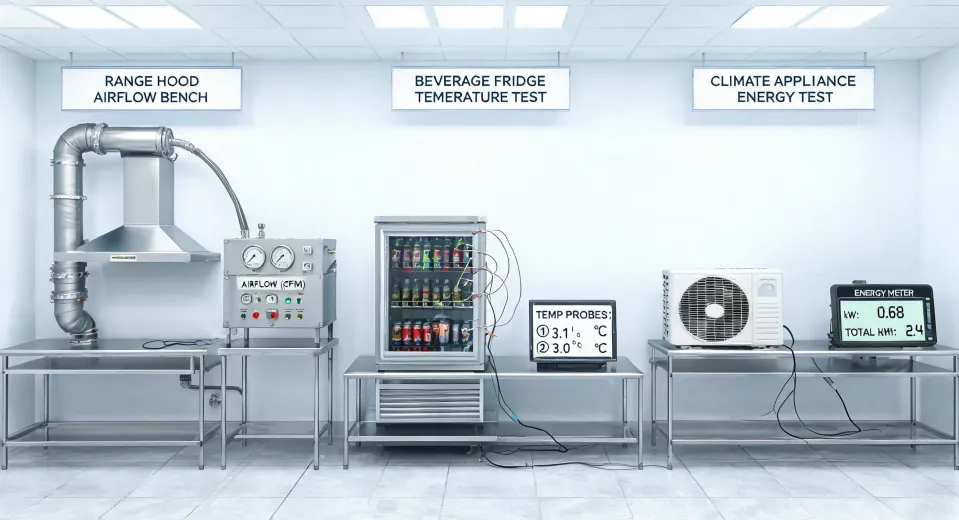
That discipline is especially important across cooking, climate and refrigeration programs because small specification choices can influence efficiency, safety review and long-term service cost. A range hood motor selected without a noise target may require a late redesign. A beverage refrigerator quoted without climate class assumptions may fail the buyer's real channel requirement. A compact climate appliance shipped with unclear refrigerant language may create customs questions. Zephyr keeps these decisions visible in the RFQ file so buyers can compare options before material, tooling or packaging commitments become expensive to change.